
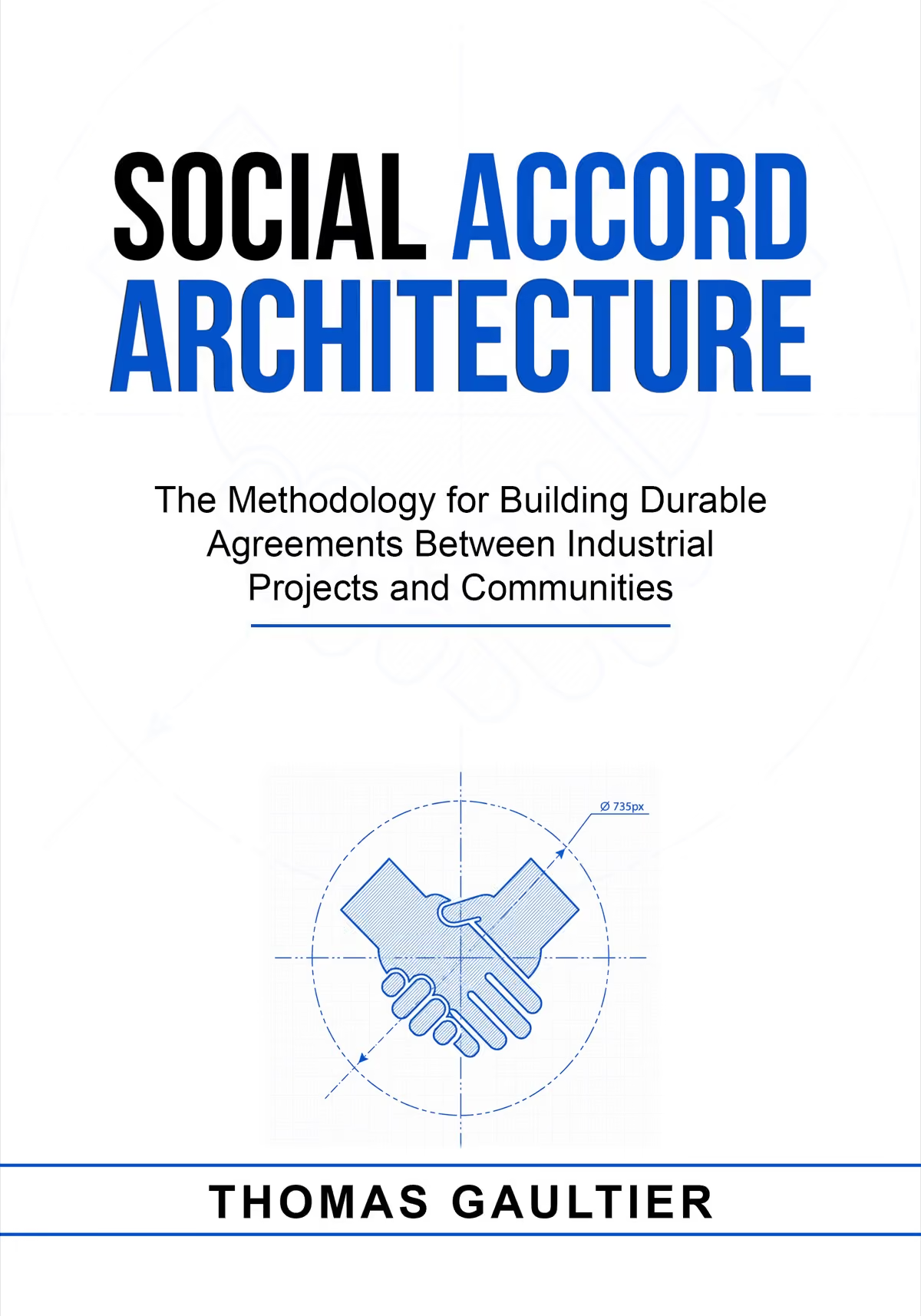
The cornerstone of the library
Social Accord Architecture
The founding text of the discipline: the complete methodology for building durable agreements between industrial projects and communities.
The library
Each volume writes the same discipline for a different reader: the mediator running the process, the practitioner absorbing the pressure, the community negotiating its future, and the board that signs the decision off. The cornerstone volume, Social Accord Architecture, holds the whole method in one book. The last of them, Legacy Grievances and Historical Claims, closes the series where the others stop: the harm still standing after the operation, the mechanism and the company have all gone.
The cornerstone of the library
The founding text of the discipline: the complete methodology for building durable agreements between industrial projects and communities.
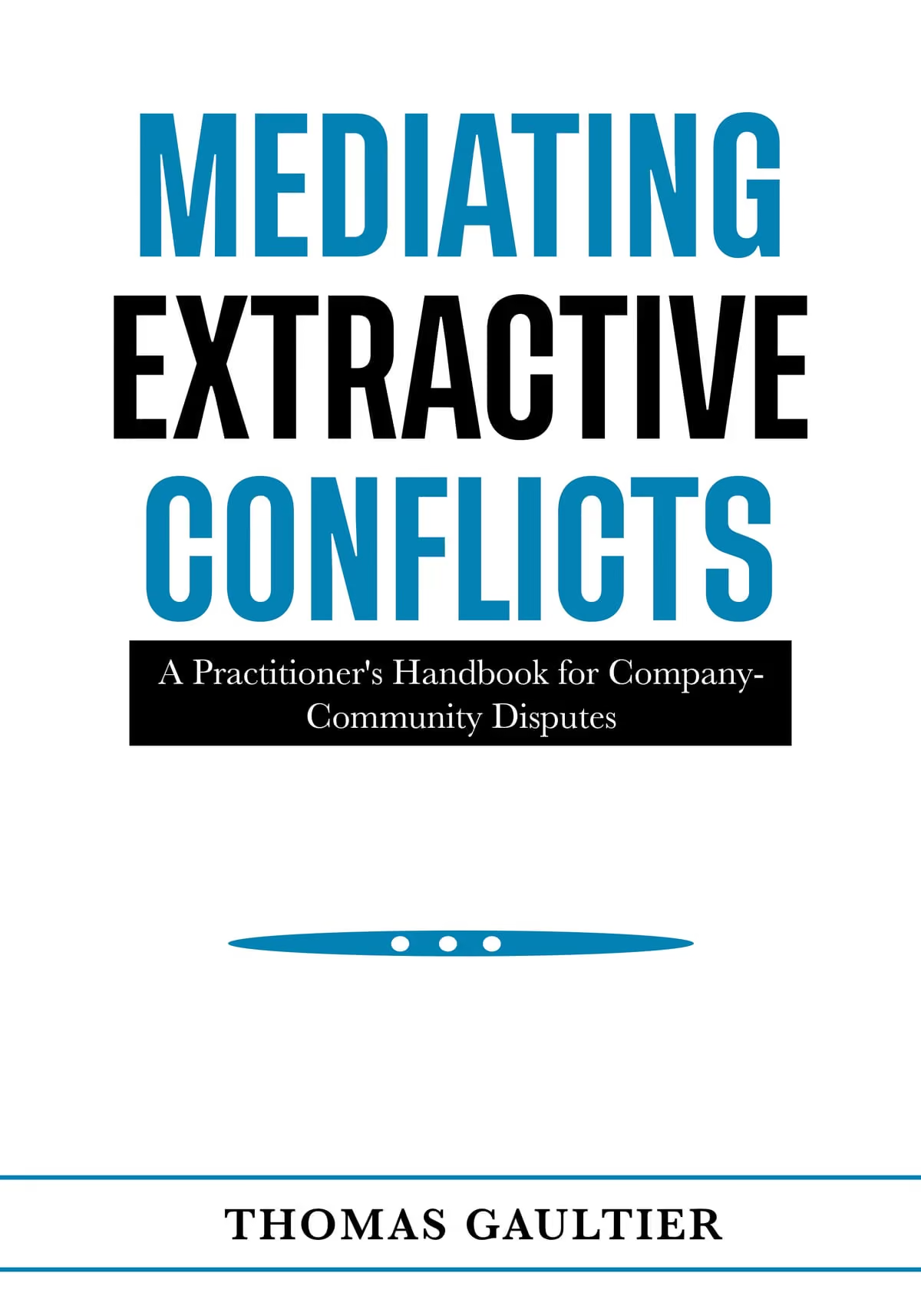
Mediators and social performance practitioners
The practitioner's handbook for mediating company-community disputes in the extractive and energy sectors.
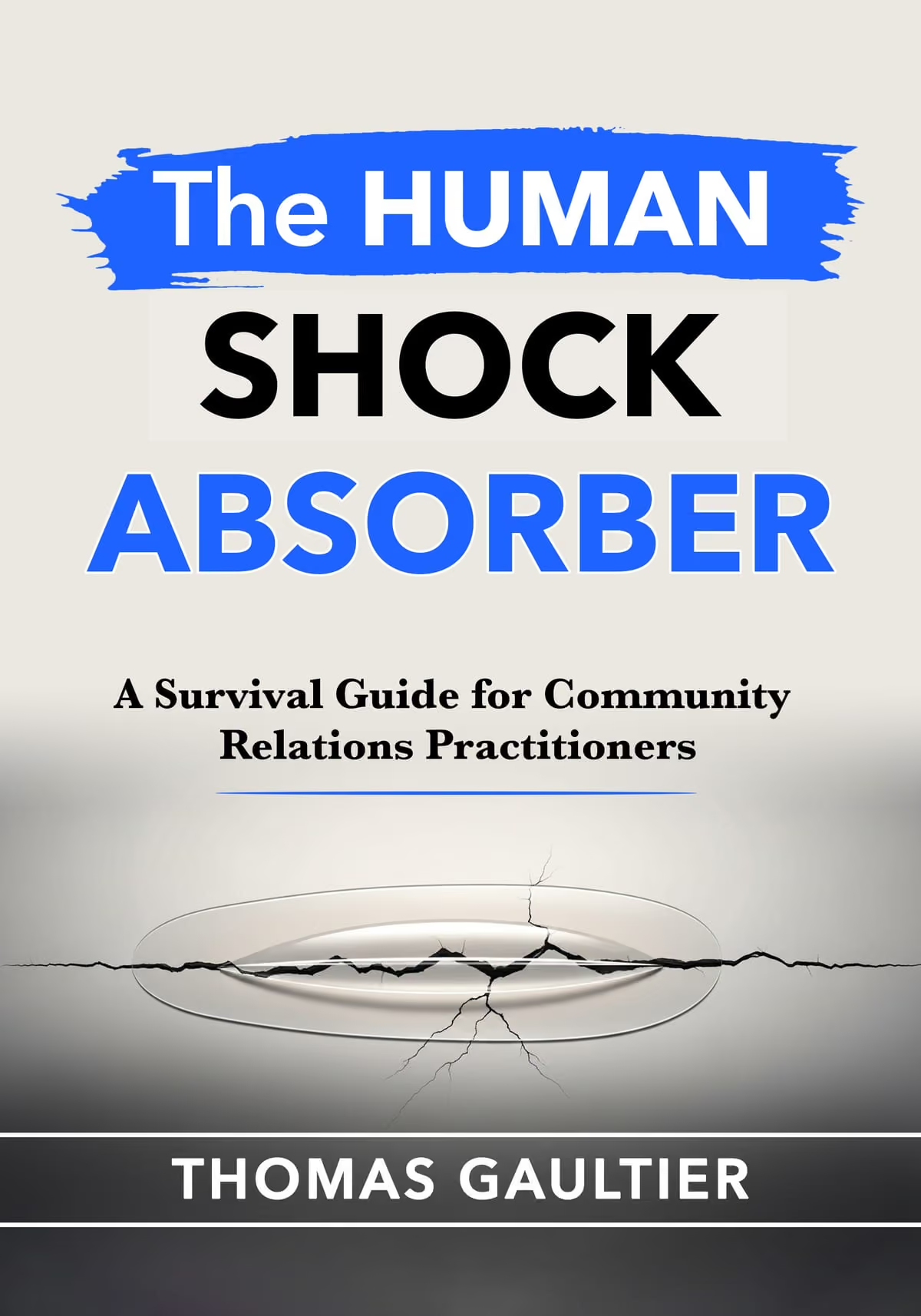
Community relations and social performance teams
The first book to tell the story of the practitioners who absorb the tension so that projects and communities can coexist.
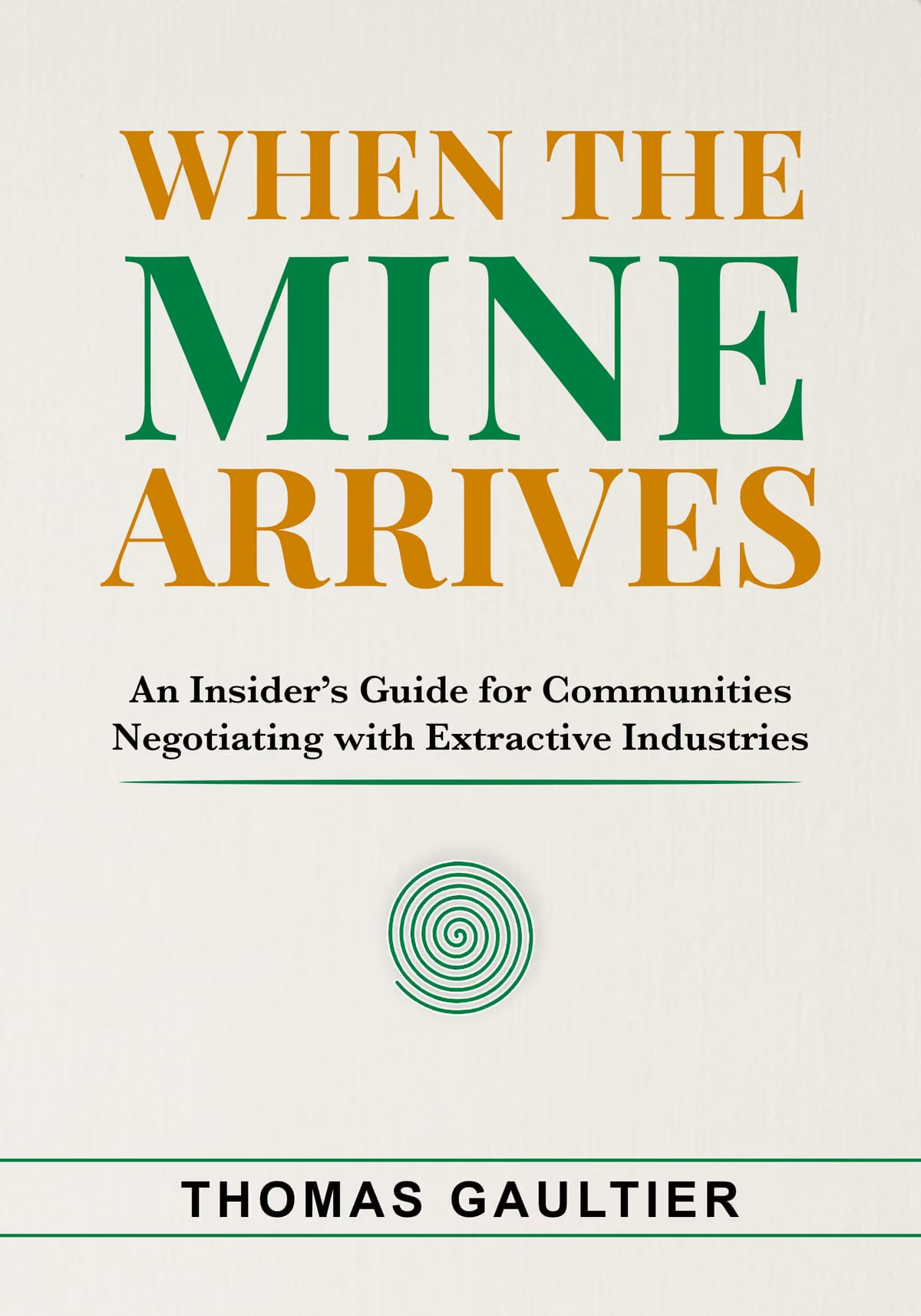
Communities, their leaders and their advisors
The negotiation guide written for the side of the table that usually arrives without lawyers.
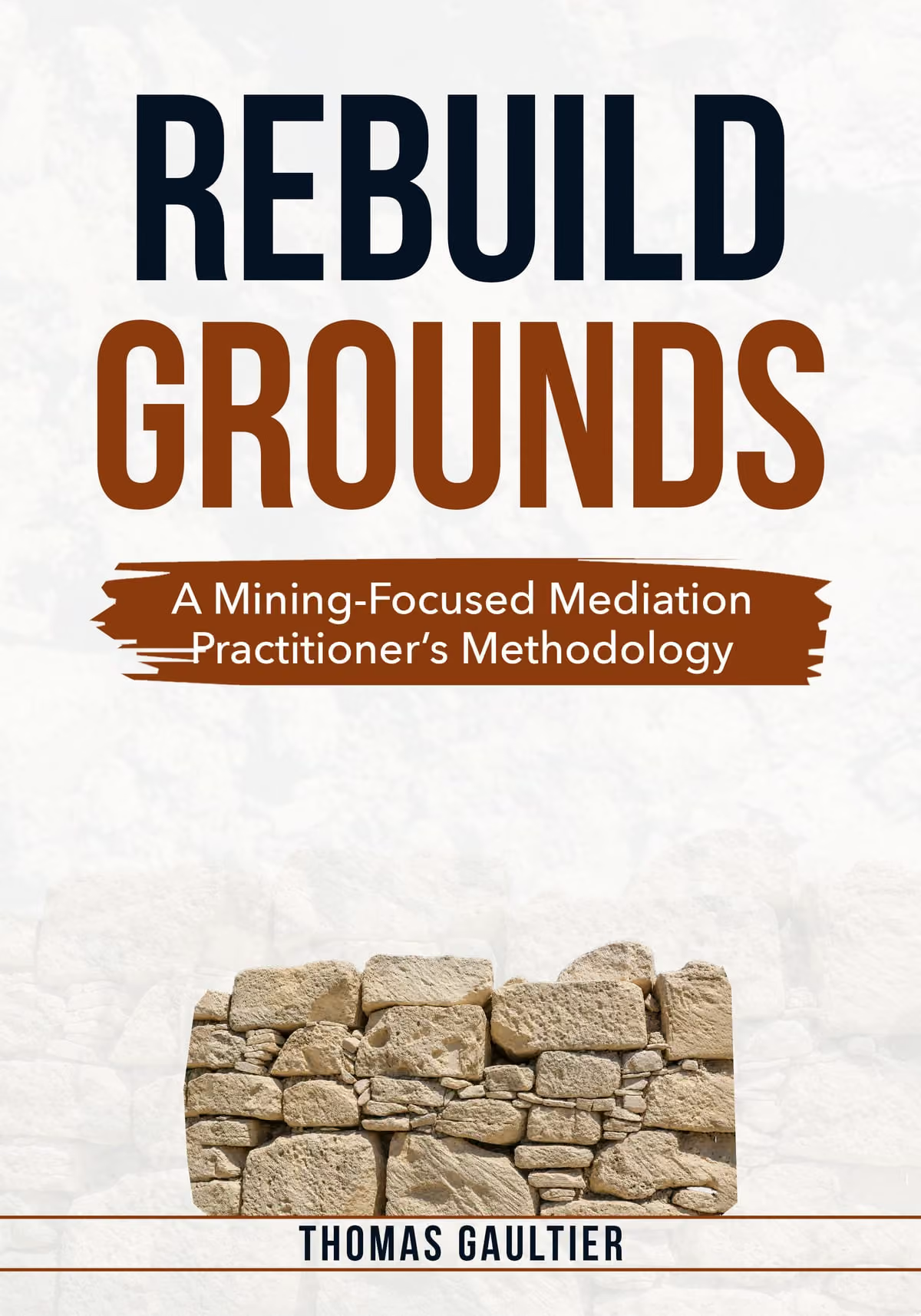
Mediators running extractive disputes
The two frameworks at the center of Social Accord Architecture, and the instrument that tells you which one a dispute needs.
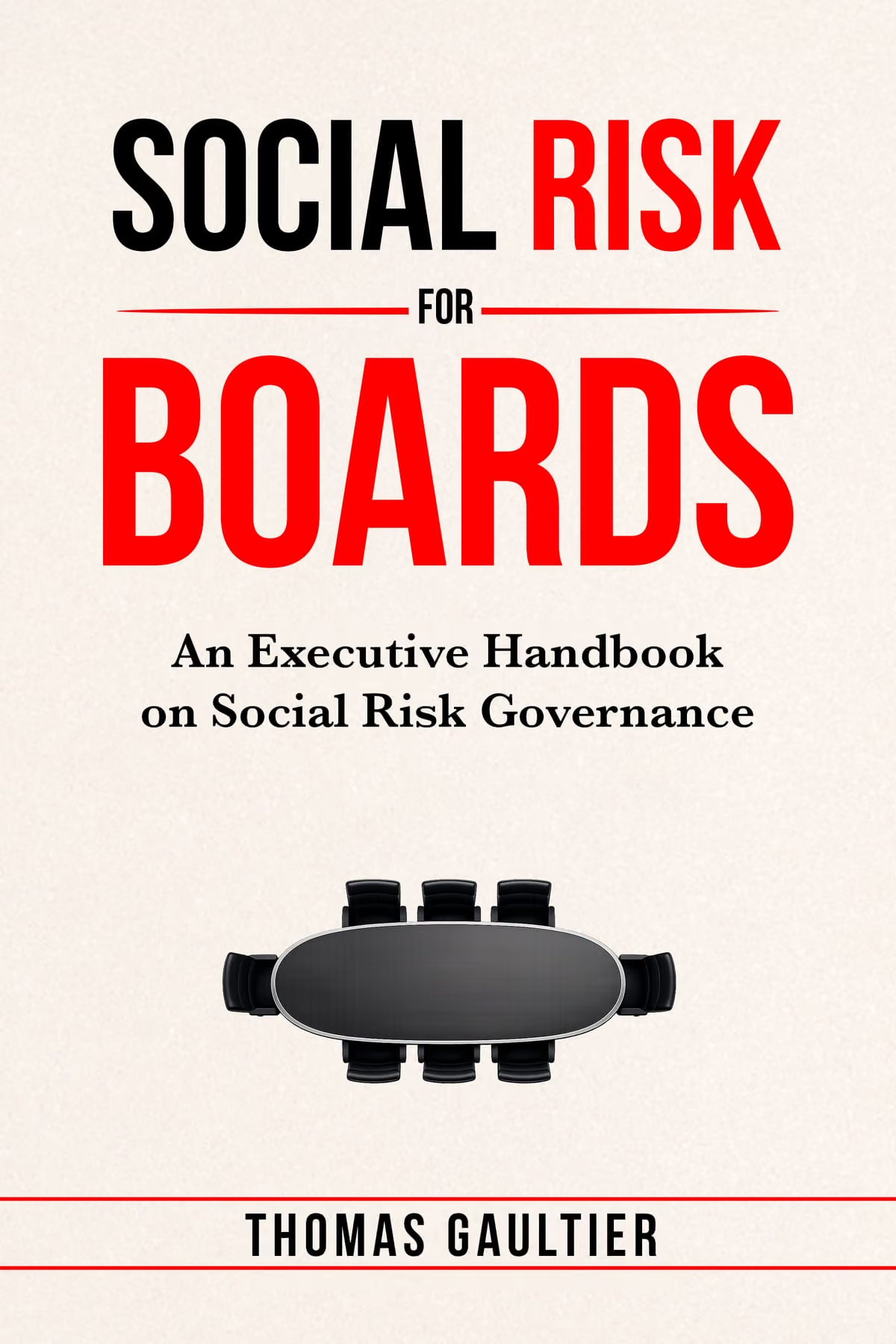
Directors and C-suite executives
How to govern social performance with the rigor a board already applies to safety and capital.
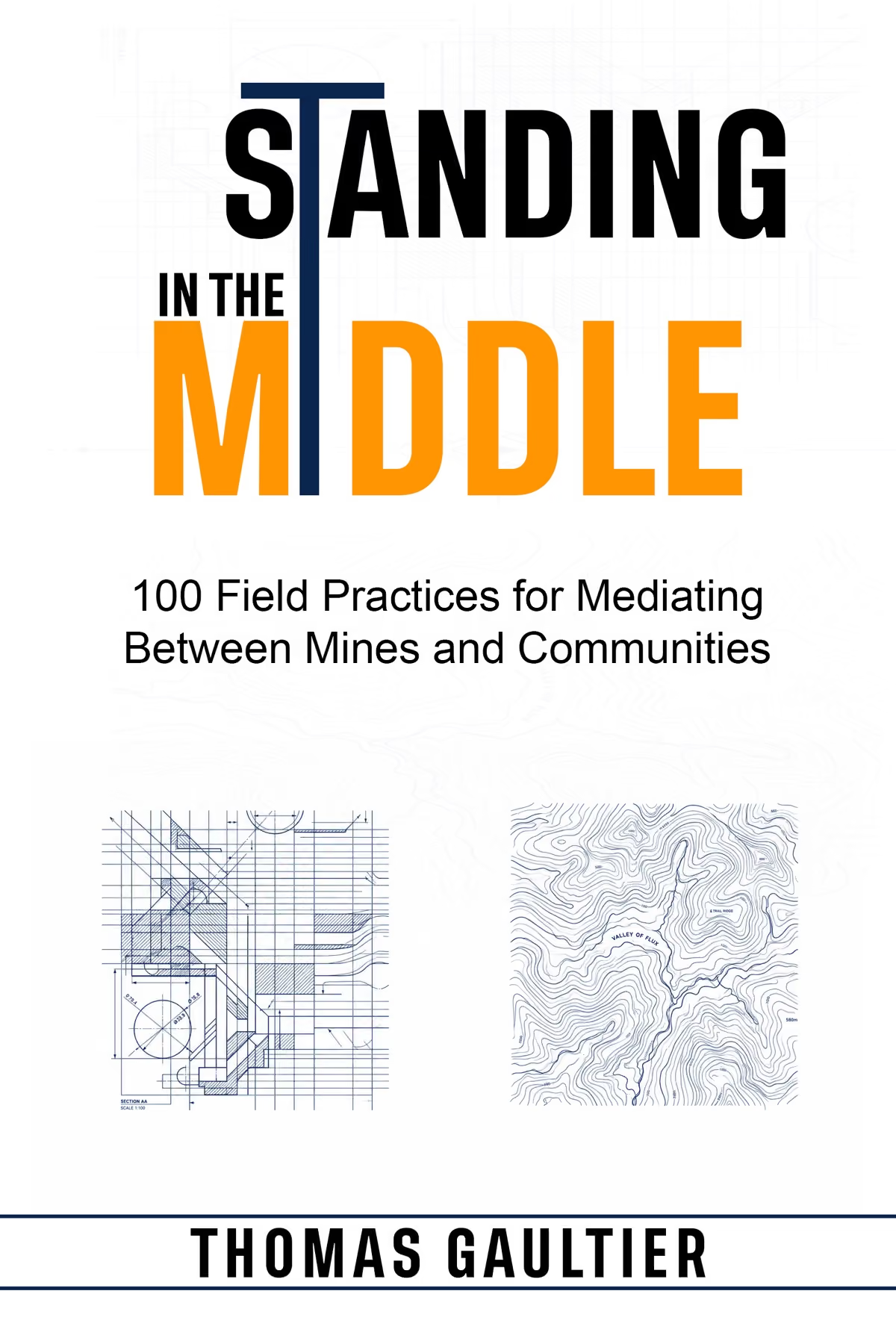
The field companion of the library
One hundred practical moves, each short enough to read before a meeting and concrete enough to use that same afternoon.
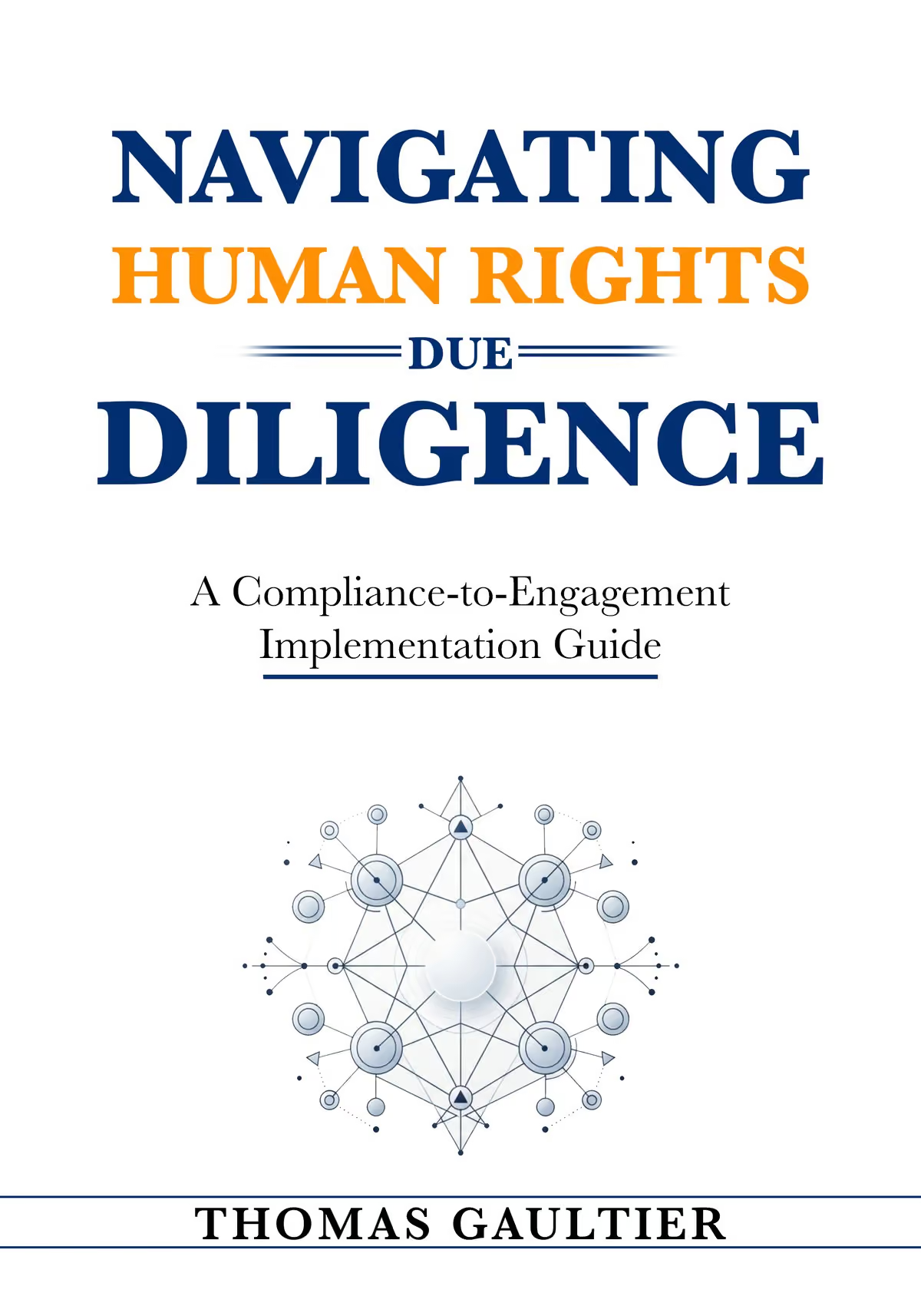
Compliance, legal and sustainability teams
The legal and compliance volume of the library: mandatory human rights due diligence turned into working business processes.
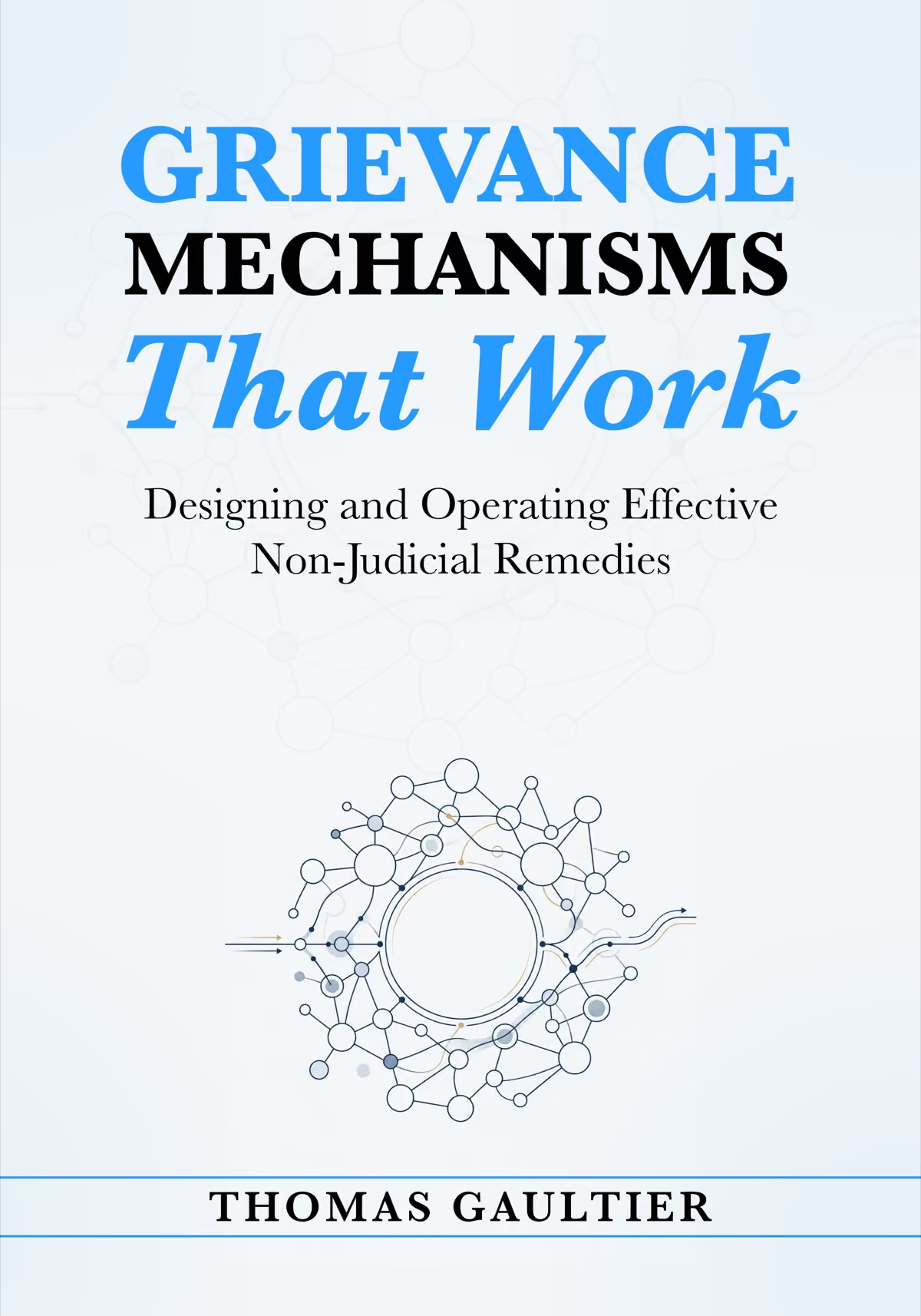
Grievance and social performance teams
The operational handbook for building a grievance mechanism that resolves cases instead of logging them.
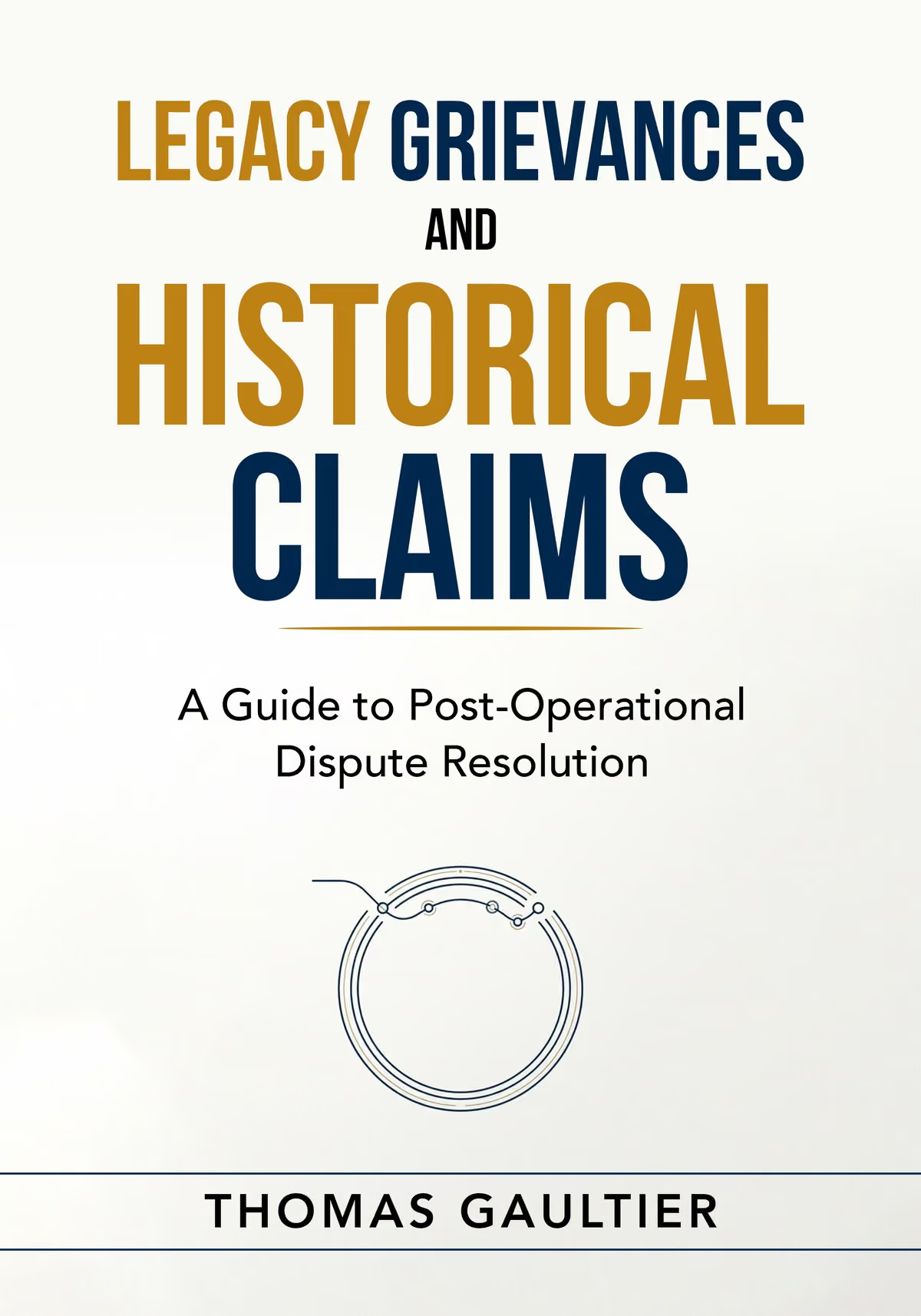
Deal teams, counsel, closure and remedy practitioners
What to do about harm that outlived the operation, the grievance channel and the company that caused it.
Where to start
Nobody needs all ten. Find the line that describes you and start there.
The cornerstone volume holds the complete methodology: principles, phases, instruments and pathways in one book. Start here if you intend to build the discipline, not just survive one dispute.
One hundred one-page practices, each with a boxed line you can carry into the room. Read the Crisis Pages first if the meeting is already boiling over.
Start with the handbook for the craft, then take the methodology for the process decision that comes before the first session.
Start with the one about the job itself, because most practitioners read it and realize they are not the only one. Then the handbook for the technique.
This one was written for your side of the table. Read chapter one before the next meeting with the company.
Two hours, no operational detail. It tells you what to ask management and how to read the answer.
Or to the German Supply Chain Act, or the French Duty of Vigilance Law. This one turns the legal obligation into a programme you can build, current with the law after the 2026 Omnibus reforms.
A closure, an acquisition, or a claim about something that happened before your tenure. Start with the guide to legacy claims for the liability and the pathway, then the mediation methodology for the trauma cases that will not settle on standard terms.
Start with the handbook: co-design, intake, the 6-Step Process, and the health check that tells you where your mechanism stands today. Then the field companion for the person actually sitting at the intake desk.
These ten are not ten books about ten topics. They are one discipline, written for the people who have to act on it: the mediator, the practitioner in the middle, the community at the table, the board that signs it off, and the professional who wants to do this properly.
That discipline is Social Accord Architecture, built over fifteen years of resolving disputes across Sub-Saharan Africa, Europe and Latin America. The cornerstone volume, carrying the name, is the complete statement of the method. The others each take one seat at the table and go deep: Standing in the Middle is the field companion, one hundred practices sized for the walk between the car and the meeting, Navigating Human Rights Due Diligence is the legal and compliance volume for the teams now answering to the CSDDD and its national counterparts, Grievance Mechanisms That Work is the operations manual for the remedy system all of them depend on, and Legacy Grievances and Historical Claims, the volume that closes the series, is what you reach for when the harm is older than everyone in the room.
For team libraries, university course adoption, or copies for a training cohort, write to me directly and I will arrange it rather than send you back to a retail page.
Lecturers: I send review copies to programs teaching negotiation, mediation, mining engineering or ESG, and I am usually happy to do a guest session with the cohort.
A 30-minute call is enough for me to understand the situation and tell you honestly whether I can help. Active opposition, a social license problem, an FPIC process that needs an independent facilitator, a negotiation a community has to prepare for, or a conflict that is not public yet but will be. It makes no difference which side of the table you are on. No obligation, no generalist pitch.
Every first conversation is confidential.